The Greater Green Bay YMCA recognized a growing need in the community for accessible, relationship-centered opportunities that foster belonging, connection and well-being. So, the Y created the mobile Y on the Fly program to remove barriers, build trust and ensure every person has the chance to experience the sense of community the YMCA provides.
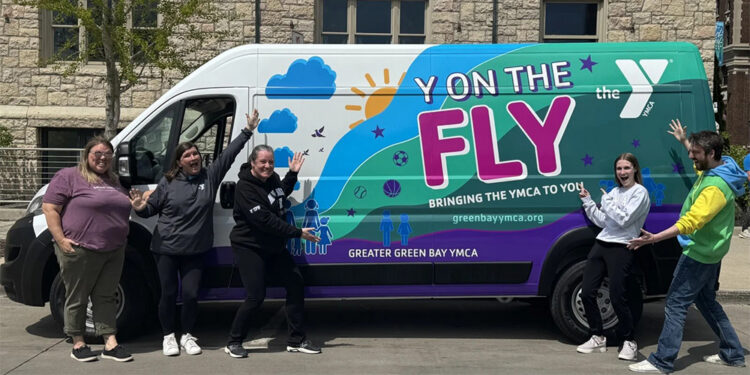
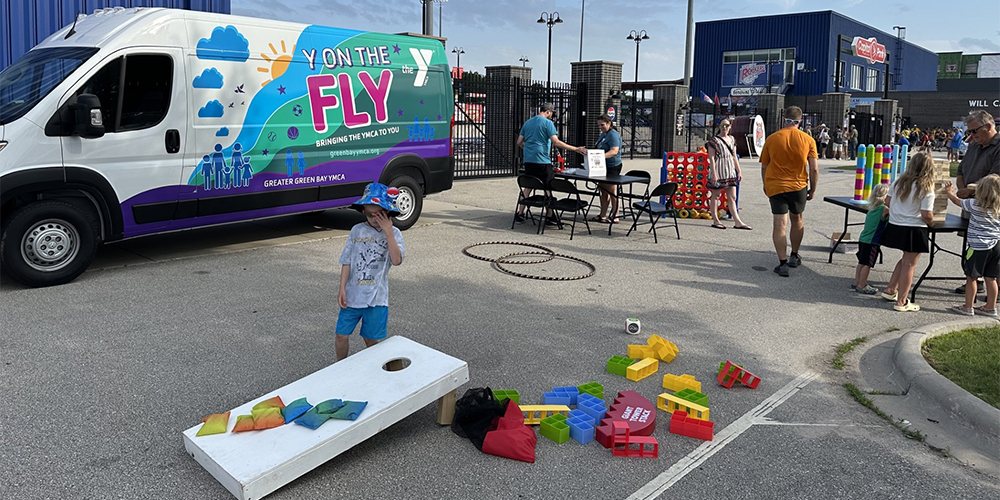
The initiative features a van packed with activities designed to bring fitness and connection directly to neighborhoods in the Y’s service area.
Kathleen McKee, the chief youth enrichment officer at the Greater Green Bay YMCA, said the Y knows that transportation challenges, financial barriers, scheduling conflicts and a lack of awareness can prevent some individuals from participating in traditional programs.
At the same time, communities thrive when young people have access to positive role models, safe activities and opportunities to build meaningful relationships.
“Y on the Fly was created as a proactive solution to address those needs,” said McKee. “With support from the Medical College of Wisconsin’s Community Safety Fund Microgrant Program, the initiative reflects the belief that community safety is about more than responding to challenges. It’s about building connections, fostering belonging, and creating positive experiences that strengthen individuals, families and entire neighborhoods.”
Y on the Fly Features
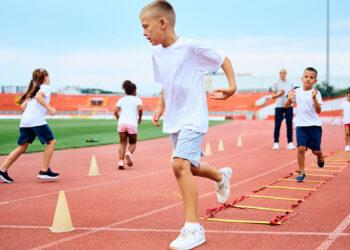
The program offers a wide variety of activities designed to engage people of all ages and interests. These include sports and physical activities such as basketball, soccer, pickleball, volleyball and kickball, along with fun yard games. It also has STEAM learning experiences, books, crafts, technology activities, fitness resources, music and interactive cooperative games.
“Beyond the activities themselves, Y on the Fly provides something even more valuable — social connection,” said McKee. “In a time when many young people and families are experiencing increased isolation and fewer opportunities for meaningful face-to-face interaction, creating spaces for connection has never been more important.”
McKee added the program creates opportunities for positive youth development, healthy living, mentorship, social-emotional growth and meaningful relationships with trusted YMCA staff.
By meeting community members where they already feel comfortable such as their neighborhood parks, the Y reduces barriers to participation and ensure more children, youth and families can access safe, structured and enriching experiences.
Impact and Expansion
Even in its early stages, McKee said the community’s response to Y on the Fly has been overwhelmingly positive.
“What stands out most is the excitement people experience when they see the program arrive in their neighborhood or at a community event,” said McKee. “Families appreciate the convenience, children are immediately drawn into the activities and community partners recognize the value of having positive, relationship-focused engagement opportunities available right where people live.”
She said one of the most exciting outcomes has been the new collaborative partnerships that have emerged through this work. Y on the Fly has created opportunities for the YMCA to work alongside municipalities, schools, community organizations, neighborhood groups and other youth-serving programs in new and meaningful ways.
“By bringing programming directly into community spaces, we’ve been able to build stronger relationships, align resources, and collectively expand our impact to reach more children and families than any one organization could accomplish alone,” said McKee. “Perhaps most importantly, Y on the Fly is helping us reach people who may not otherwise walk through the doors of a YMCA facility. In many ways it has transformed the YMCA from a destination into a visible, active partner embedded within the neighborhoods we serve.”
McKee added as the program grows, they see opportunities to expand the number of neighborhoods and community events they serve, increase partnerships with schools and community organizations, offer specialized programming, add seasonal programming, expand the fleet and equipment offerings, and create targeted outreach efforts for underserved populations.
Lasting Tips and Advice
From the experience of developing Y on the Fly, McKee said the top advice she can give other rec centers is to seek the lived and learned experiences of many voices. Specifically, the strongest programs are not designed for a community. Instead, they’re designed with a community.
“By listening first, you learn where the greatest opportunities exist, what challenges need to be addressed and which solutions are most likely to succeed,” said McKee. “We’ve discovered our most successful community-based programs are built around the needs, strengths and interests of the people you are trying to serve.”
Before launching Y on the Fly, the Greater Green Bay YMCA team spent time listening to residents, schools, community leaders, municipalities and partner organizations. Those conversations helped the organization better understand the challenges facing the community.
Through that process, they identified opportunities to address gaps related to social connection, youth engagement, access to positive activities and relationship-building.
“We also recognized it’s important to start small, remain flexible and focus on building trust,” said McKee. “Once a strong foundation has been laid, the program can scale up to serve in even more meaningful ways. Relationships are what creates lasting change. When people see familiar faces consistently showing up, listening and investing in their community, that’s when true engagement happens.”
Lastly, McKee said for leaders to think beyond the walls of your facilities and to seek out partnerships.
“Y on the Fly has been successful through collaboration and a shared commitment to community well-being,” said McKee. “Some of our strongest partnerships have been built through simply showing up, listening and finding ways to align our collective strengths. Working together allows organizations, municipalities, schools, and community groups to reach more people, maximize resources and create stronger, more sustainable outcomes for everyone involved.”