

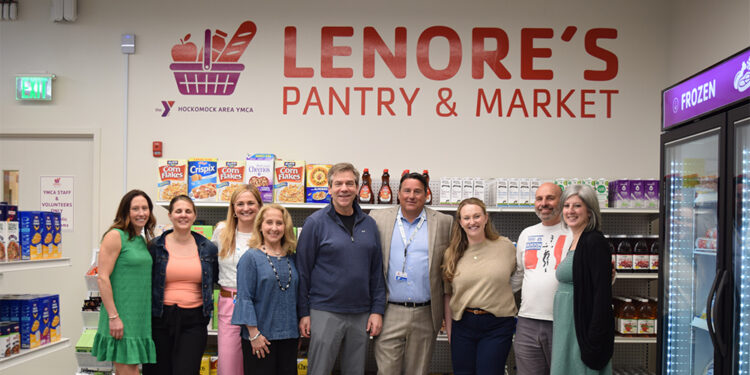
In collaboration with Town of North Attleborough, Massachusetts, the Hockomock Area YMCA recently opened Lenore’s Pantry & Market to help fight food insecurity in the community.
The pantry — named in honor of the Lenore Paquin, the town’s beloved public health nurse — began humbly in 1978 as just a small closet at the health department. Over the years, the pantry found new homes and was sustained entirely by the generosity of local residents, businesses, churches and civic groups.
Now, the YMCA is keeping Paquin’s legacy alive with a new, expanded, market-style food pantry that will improve food security with dignity for neighbors and friends in need.
“We believe access to food is fundamental to health, well-being and the ability for individuals and families to thrive,” said Jim Downs, the CEO of the Hockomock Area YMCA. “Over the past several years, we’ve seen food insecurity impact more people across all demographics. It became clear the need extended far beyond emergency response. We knew the expanded Lenore’s Pantry & Market could meet that need. The project allows us to strengthen and grow existing food access initiatives while creating a dignified market-style experience where neighbors can choose foods that best meet their household needs.”
Features of the Market
Lenore’s Pantry & Market was intentionally designed to create a welcoming experience for visitors. Unlike a traditional food pantry, the space operates like a neighborhood market, allowing individuals and families to browse and select nutritious foods that fit their preferences and needs. Features include:
- A market-style pantry layout focused on choice and accessibility.
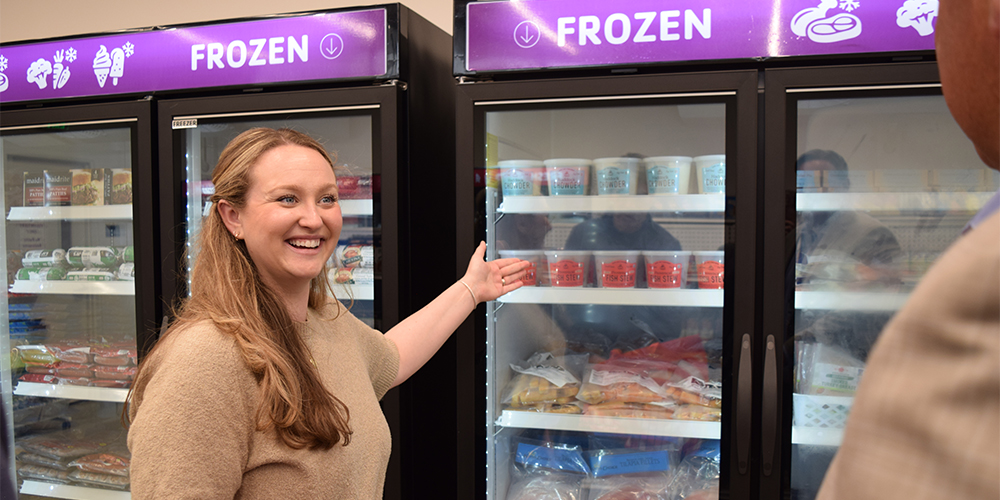
- Shelving and refrigeration for fresh produce, dairy, proteins and pantry staples.
- Storage and operational space to support large-scale food distribution efforts.
- Areas to support volunteer engagement and community partnerships.
- Space to coordinate the YMCA’s broader Food Access initiatives, including mobile pantries, Fuel for the Week and summer meal programming.
- Connects individuals and families to additional community resources and support services promoting long-term stability and wellness.
Downs said the pantry is stocked through food from the Greater Boston Food Bank, Spoonfuls, other grocery store rescue organizations, donations from residents, local businesses, civic groups and operational dollars from the Hockomock Area YMCA.
“The YMCA oversees daily operations and coordinates volunteers, food sourcing, program logistics and distribution efforts,” said Downs. “The pantry is also supported through various grants, community partnerships and federal nutrition programs that sustain year-round food access initiatives. The collaboration between the Town of North Attleborough and the YMCA has been essential in bringing this project to life.”
Downs added by bringing multiple food access programs under one location, the YMCA can improve efficiency, increase outreach and better serve households year-round.
“It reduces barriers to access while helping individuals feel seen, supported and connected,” said Downs. “For the YMCA, the facility strengthens our role as a community health and human services leader. It creates opportunities for deeper partnerships with schools, public health agencies, businesses, and local organizations all working together toward healthier and more equitable communities.”
Lasting Advice and Tips
From this experience, Downs said other community rec centers can create beneficial community programs like the pantry by understanding the needs of the area and creating partnerships that inspire collective action.
“The most impactful initiatives are rooted in collaboration and shaped by the real needs of the people being served,” said Downs. “We also encourage organizations to think beyond traditional service models and focus on dignity, accessibility and long-term impact. Small ideas can grow into transformational programs when communities come together around a shared purpose.”
Another lesson Downs learned is to remain flexible and innovative. Many of the Y’s Food Access programs grew out of urgent community response during the COVID-19 pandemic, but they evolved into sustainable programs because the organization continued adapting to meet changing needs.
“Finally, never underestimate the power of volunteers, local partnerships and community trust,” added Downs. “Lenore’s Pantry & Market exists because generations of people believed in caring for their neighbors. That spirit continues to drive the work forward every day.”