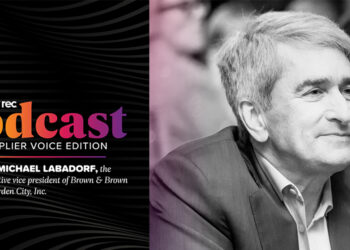
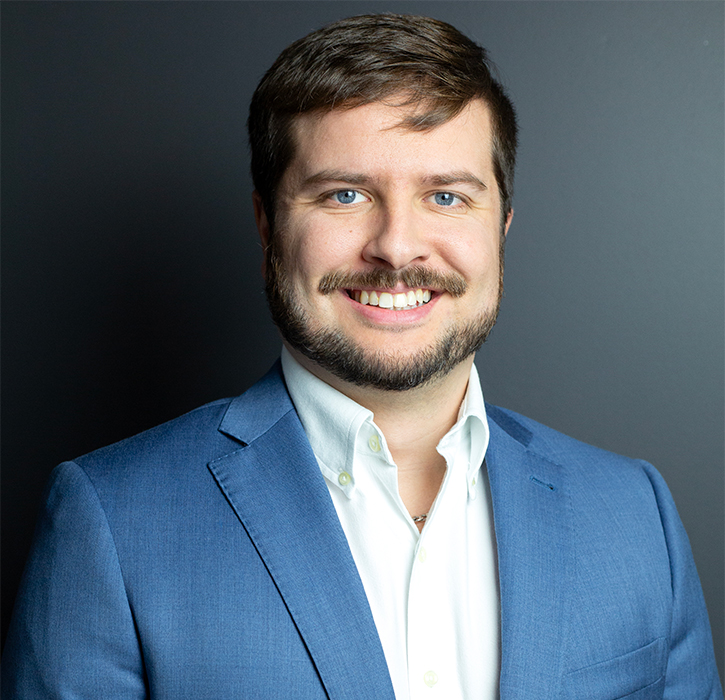

In episode 27, Eldad Goldfarb, the executive director of JCC of Greater Vancouver, shares how an aging 63-year-old facility sparked a bold, 13-year journey to create a self-sustaining, multi-partner community campus. Starting with a board-led vision in 2013, the JCC engaged architects, 30-plus community organizations, and government relations firms to shape a project that integrates a new 200,000-square-foot JCC, expanded childcare, seniors’ services, an upgraded aquatics center, a new high school, and two 40-story rental housing towers.
By emphasizing inclusivity, cross-agency collaboration, and alignment with government priorities like childcare, housing and recreation, the JCC secured major provincial and federal grants plus $200 million in community funding. The project models patience, perseverance and partnership-driven planning for large-scale community recreation developments.
Enjoy!
Key Takeaways
- Long-term, Vision-Driven Planning
- JCC of Greater Vancouver launched a redevelopment vision in 2013, recognizing its 63-year-old facility could no longer meet demand or infrastructure standards.
- Leadership committed to “dreaming big,” planning not just for the next decade, but for the next 50–60 years.
- Collaboration Over Isolation
- Instead of planning in a silo, the JCC engaged 30-plus Jewish community organizations early to understand shared facility needs.
- This collaborative, campus-style approach created goodwill, broadened impact, and attracted more partners over time.
- Government and Funding Strategy
- The JCC hired government relations firms early, securing $25 million each from provincial and federal governments, which inspired donor confidence.
- More than $200 million has been raised from the community, with government support signaling the project’s public value.
- Inclusive, Multi-Use Community Hub
- The JCC serves both Jewish and non-Jewish residents (about 40% non-Jewish membership), aligning with public priorities.
- Key components: expanded childcare, robust senior services, a modern aquatic center, cultural and fitness spaces, and a new Jewish high school.
- Innovative Land Use and Self-Sustainability
- On a compact 3.4-acre urban site, the project integrates two 40-story rental housing towers which include market and below-market units.
- Housing revenue is designed to support long-term operations, reducing reliance on perpetual fundraising.
- Lessons for Community Rec Leaders
- Be patient and persistent with major capital projects.
- Learn from peer facilities, prioritize partnerships, and set organizational ego aside to achieve greater community outcomes.
Subscribe to the Community Rec Magazine podcast on SoundCloud.