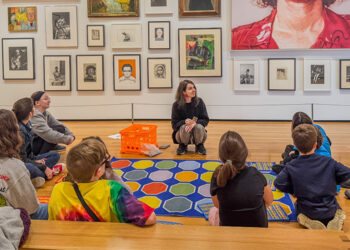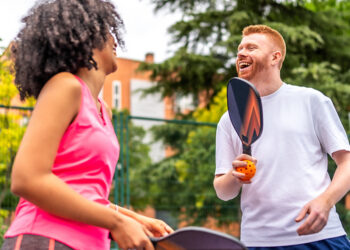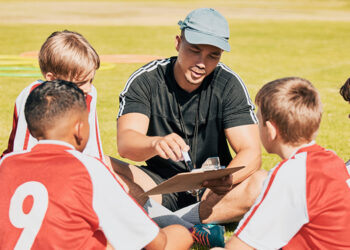

In The Power of Belonging in Community Recreation series, we have explored the importance of meaningful invitations that lead members to show up. We have examined how a welcoming environment, where everyone feels comfortable and accepted, goes beyond the front desk. These are critical for increasing members in our programs, facilities and opportunities. However, this is all a wasted effort if the community doesn’t stick around because they don’t feel included.
Being “included” is the way people are motivated and inspired to be lifelong participants and/or co-creators of their experience that leads them to participate as their authentic selves. It means everyone of all shapes, sizes, identities, abilities, races, religions, cultures, motivations, histories and lived experiences are able to use the same facilities, take part in the same activities, and enjoy the same experiences that match their physical, social and mental wellbeing.
Are members struggling to fit in or are they encouraged and supported to participate as their authentic selves at a level they are comfortable with? How are you removing barriers and negotiating constraints to ensure everyone feels included?
The Space to Be Yourself
Coined by my friend and colleague, Scott Flickinger at Cornell University, “the space to be yourself” is a great lens to look at your programs. Now that your community has been invited and welcomed, are they free to participate in a way that leads them to thrive as their authentic selves or are they being asked to fit into a sport and recreation culture that has made them feel excluded? Do you openly celebrate and support the varied lived experiences and truths of your community? What words, imagery and actions do you choose that demonstrates this? How do you ensure everyone, including LGTBQ+, BIPOC, people with disabilities, on the spectrum, veterans, less physically skilled, with varied religious beliefs and traditions, from different backgrounds and cultures, or feel disconnected from the traditional sport and recreation experience, feel included?
Accessibility
Facilities play a huge role in including or excluding your community from participating in the services and programs you offer. There are some obvious examples with regards to physical access for those with a disability. If members are unable to enter the activity area, or there is a lack of equipment necessary for them to adapt the activity to meet their physical needs, then they are unable to be included.
How do gender specific change rooms create a sense of exclusion for non-binary or transgender individuals? How might your sports or fitness programs respond to a member with a disability wanting to participate? Do staff have the tools, equipment, experience and understanding to help everyone feel included? Do you have space and accommodations for members with religious, cultural or individual needs that are different from the majority of your community? All of these questions are common concerns that affect how members will feel included in your facilities.
Program Offerings
The what and when of programming plays an important role in participation. I may feel invited and welcomed, but if I don’t see an activity I want to do or a time when I can do it, I won’t feel included.
Do you have a wide array of traditional and non-traditional activities that meet the diverse interests of your community? Activities like cultural dances, fun-focused fitness classes, and new sports like Quidditch may help bring in new members. If a member hates swimming but loves playing in the pool and you only offer lane swim, then you can count them out. However, if they see a rope swing, a water wall or logrolling, they might become a weekly participant.
Are your programs geared to multiple skill levels and motivations? Health, physical fitness and competition often overshadow goals of fun and social connectivity. A sports program that is highly focused on intense competition will leave out members who may just want to play for fun with friends.
Collaboration
Community recreation professionals are experts in recreation, but not everything, and it’s okay to admit where you need help. There are so many community partners you can turn to, but if all you do is tell them what you have to offer, those relationships become very transactional. Instead, look to create true collaborations by understanding their values, challenges, successes and goals and look to see how working together can help include the community they serve.
Don’t program at these partners and target populations, instead look to work with them to co-create meaningful opportunities. This may mean what you create together may not be in-line with your traditional programming system, but if you are willing to be flexible and think of inclusion and belonging as your outcome, this new system you create will be a wonderful addition to an inclusive organization.
When people feel like they belong – that is they feel welcomed, invited and included – we will begin to see a tipping point in our communities of more people, being more active, more often. When community recreation puts more resources into fostering belonging rather than into systems, facilities and infrastructure, we will begin to see a revolution of a healthier society.