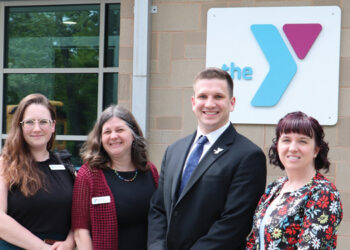


This issue we spoke with Linda Travis, the director of healthy aging at Tucson JCC, about dealing with members with cognitive issues.
Detail the ways your Healthy Aging department provides care for individuals with cognitive issues.
LT: With one in five people being over 65 years of age in Tucson, Arizona, it’s essential health and wellness centers dedicate and focus on the needs of this population. The Tucson JCC is committed to creating opportunities for older adults to live their best lives. Our Healthy Aging Department provides the education, tools and support to make this possible. The department’s two primary goals are to provide wellness programs and activities that promote social engagement for older adults. Then to help participants maintain their independence for as long as possible. All JCC Healthy Aging Programs focus on individuals’ unique goals regarding their health and ability to engage in meaningful life activities.
One Healthy Aging program is focused on participants with early/mild stage dementia. That involves two-to-three-hour sessions each week. In the sessions, participants enjoy art activities, music sing-alongs, group interactions, play cards and board games, and engage in cornhole and other gymnasium activities. These include basketball and group fitness activities led by a personal trainer. The group provides participants opportunities for socialization. As people enjoy coming to the J, they know they’re here to have a fun time.
How has the program grown due to grant funding?
LT: Funders have been quite interested in supporting the program with its focus on decreasing social isolation and increasing social connection. With grant funding, we’ve been able to keep prices low. Therefore, allowing for a larger group of participants and families to take advantage of this program. Grant funding also helps with paying instructors and building a strong volunteer base.
What makes this program standout from other similar ones in the industry?
LT: Three characteristics help this program stand out from other important programs in the community.
Leadership is always the key to innovative programs. I’m a psychologist who has been involved in aging, health and families for over 30 years. I’m eager to develop programming that addresses social connection and overall wellness while embracing our pledge to create community based on Jewish values by providing the highest quality programs and services. I pay special attention to the social connection component through group activities for participants. This involves carefully selecting instructors and volunteers with skills to not just lead activities, but to do so with attention to how activities connect people. Then there’s Amy Dowe, our senior director of member experience and wellness. Dowe has been at the Tucson J for over 15 years and knows how to get things done.
Location is everything. Great programming ideas can fail if they aren’t offered in a setting that’s well known and desirable to potential participants. Tucson JCC is an enjoyable place to visit across generations and really is a place that’s well known and respected. This makes all this work so much easier and more interesting.
Learning is never over. Ongoing training and support of all staff is vital to lift new programs off the ground. I’m often asking colleagues across departments for feedback and input to understand potential participants’ journey into the J from the outside. I’m focused on relationship building and collaboration with colleagues.
What tips or advice would you give other rec leaders for caring for members with physical or cognitive challenges?
LT: The stigma around dementia also enters the hallways of your community center. It’s essential to look internally at potential areas of bias prior to developing services.
Ensure access to high-quality training for your staff. Of note, we will be sponsoring an online training for other organizations in late 2025 or early 2026. Also, equally important to securing high quality training, your organizational leadership should know not all staff members may be interested in working with this group.
Finally, if your organization decides not to go in the direction of serving those with cognitive challenges, make sure to prepare a referral list of key community resources and agencies to respond to inquiries.