

According to Indeed, the talent market for hiring is as tumultuous and competitive as it ever has been. Therefore, it’s crucial for employers to start considering innovative hiring trends. Staffing in community recreation is no different than from other industries, however, mission-driven staffing can help centers standout in the field.
Josh Priester, the COO of the YMCA of Superior California, said there’s been increased competition for part and full-time work talent even with organizations outside of the nonprofit community rec space.
If you’re concerned with how your center can hire the most effective staff for your community, Priester and Seth Hazen, the chief business officer of Peninsula JCC, detail their top strategies and advice below.
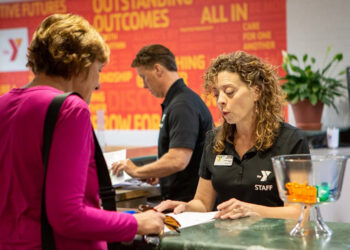
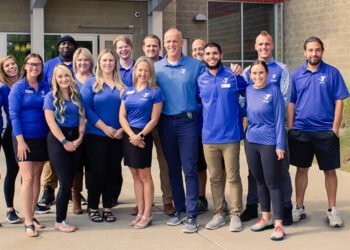
The YMCA of Superior California
Priester said overall, his YMCA sees staff come through who value working in an organization that aligns with their values, offers flexible schedules and has a strong culture of positivity in the workplace.
Two successful staffing strategies he said his YMCA utilizes are mission-driven staffing recruitment and investing in the J’s supervisors.
“We work to ensure our position descriptions not only include basic qualifications and summaries of duties, but also our core values and community impact we create as an organization,” said Priester. “We want our new hires to understand they are joining a community-based organization with years of rich history in creating positive impact and that they have an opportunity to be a part of it.”
Regarding investing in their supervisors, Priester said they do everything possible to ensure the Y’s leaders at a variety of levels have opportunities to grow and to learn. This has impacts across the organization when done well and is a part of their strategic plan to retain talent.
However, that mission isn’t always so simple, as with many nonprofits — especially in California — the cost of living can outpace wage growth, which can create obstacles and challenges in retaining staff.
“Additionally, the seasonality of programming can create challenges in the recruitment of seasonal workforce for summer camps, youth sports, etc.,” said Priester. “You must be honest in recruitment. Transparency about expectations, schedules, and growth builds trust and reduces early turnover. Do your best to anchor everything to mission and impact. People stay longer when they understand how their work changes lives.”
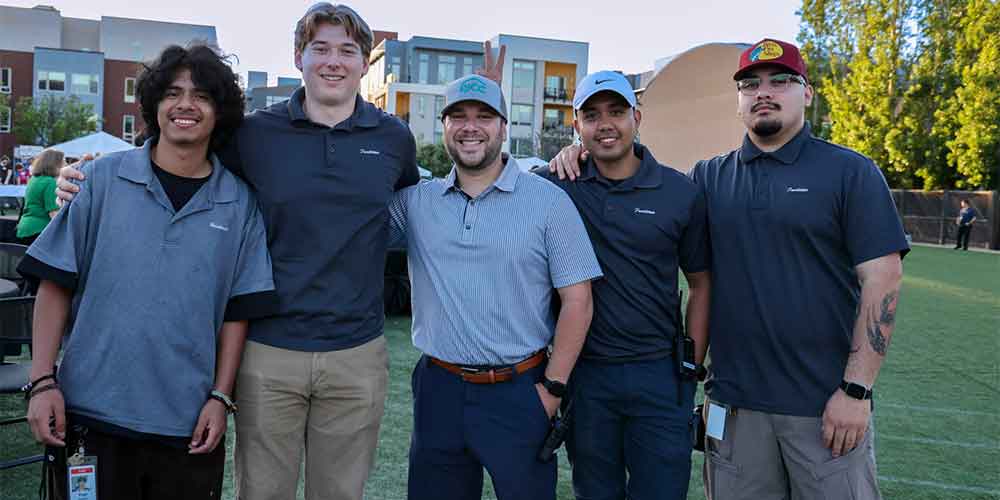
Peninsula JCC
Like at the YMCA of Superior California, Hazen said mission and value alignment matter more than ever with potential hires.
He said candidates at the Peninsula JCC — especially younger professionals — are prioritizing workplaces where they feel purpose and connection. “They want to understand why the work matters, who they are serving, and whether the organization’s values such as belonging, wellness and inclusion are reflected in daily practice,” said Hazen.
Part of this puzzle includes compensation transparency and total rewards which are under heavy scrutiny as part of reviewing job offers. While passion still drives interest, Hazen said candidates are more realistic about cost-of-living pressures.
“Potential hires want to see a future, not just a job,” said Hazen. “Clear advancement opportunities help organizations stand out, particularly for part-time staff who may grow into long-term team members.”
The JCC’s most successful staffing strategies center on being both competitive and community driven. Hazen said offering competitive pay is essential to attracting qualified candidates, so they place strong emphasis on employee referrals via a referral bonus.
“Those consistently bring in candidates who are a good cultural fit and already understand our mission and environment and then help support those new staff with a hiring bonus after 90 days,” said Hazen. “When combined with clear expectations, supportive leadership, and meaningful benefits, these strategies help us build a reliable, engaged team and strengthen long-term retention.”
His top advice for effective staffing in community recreation starts with transparent expectations which attracts the right candidates from the outset. Then, investing in training and supportive leadership builds trust and retention.
“Create pathways for growth, listen to staff feedback and recognize contributions foster engagement and loyalty,” said Hazen. “Finally, leveraging employee referrals and cultivating a positive workplace culture can significantly strengthen recruitment efforts and help build an effective, committed team.”