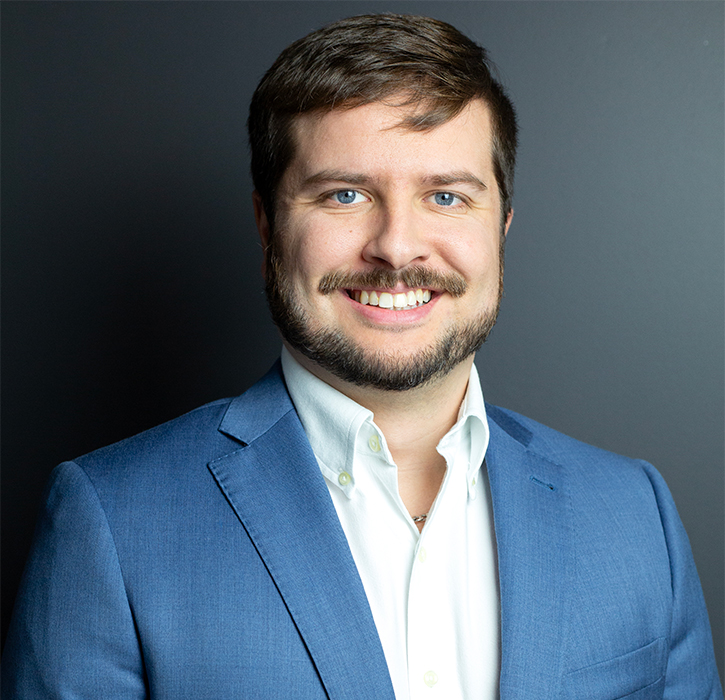

Below, Danny O’Connor, the VP of healthy living at YMCA of South Hampton Roads, details the biggest fitness trends impacting the community rec industry. He also shares how his Y is having success in the fitness space and provides advice for how other centers can do the same.
1. What are the biggest trends right now in the fitness space?
Community-based fitness is leading the way. People want to move, but they also want to connect and feel a sense of belonging. Group training, functional fitness, and programs that build both strength and social support are thriving. There’s also a growing emphasis on recovery, mobility and mental health as essential parts of any fitness plan. At the Y, we’re embracing all of these by meeting people where they are and making sure that every program feels inclusive and supportive.
2. Describe the most successful fitness programs at your YMCA. What are members reacting strongly to?
Our members love programs that make fitness feel social and attainable. MOSSA formats like Group Power and Group Fight continue to pack the studios because they combine structure, energy and a sense of belonging. But one of the most exciting successes right now is our senior personal training program. It’s grant-funded, making one-on-one coaching accessible for older adults who might not otherwise consider it. Many older adults are looking for ways to stay active, improve balance and maintain independence. Personalized training gives them the confidence to do that.
3. How can nonprofit rec centers offer unique fitness programming compared to for-profit gyms in their areas?
Since we’re mission-driven, not profit-driven, it means we can design programs around community need, not just market demand. We’re able to create inclusive spaces where every person, regardless of age, background, or ability, can access quality wellness experiences. For example, our Healthy Living programs target chronic disease prevention and recovery, areas that for-profit gyms rarely touch. We also reinvest membership dollars into community programs, financial assistance, and outreach, so every workout has a ripple effect. That sense of shared purpose gives our programs a depth that can’t be replicated in a traditional fitness model because, as a nonprofit, we can innovate in ways for-profit gyms can’t because our success is measured in lives changed, not dollars earned.
4. What final advice do you have for providing lasting fitness offerings at rec centers?
Stay curious, stay connected, keep evolving. The fitness industry moves fast, but meaningful programs are built on relationships and relevance. Listen to what your members value, invest in passionate instructors, and create experiences that inspire consistency. Keep your focus on overall well-being rather than short-term trends. Encourage a culture where fitness feels approachable and rewarding. When you prioritize connection and celebrate small victories, members keep showing up. That consistency builds healthier individuals and stronger communities, which is the heart of everything we do at the Y.