
As community recreation centers strive to improve the member experience, industry leaders are equipping them with connected fitness technology to further amplify value.
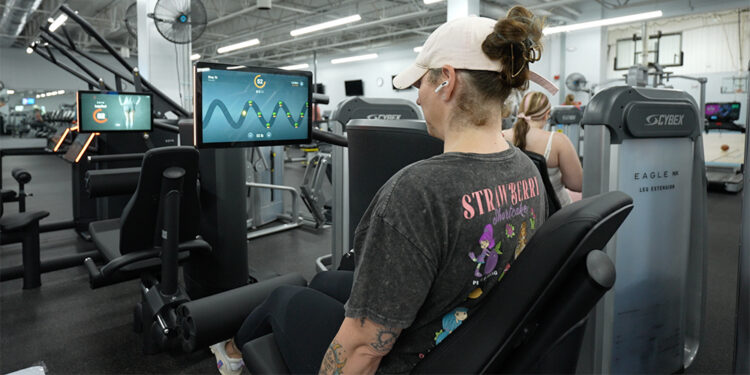
Connected — treadmills, bikes, and strength machines that sync with apps or track performance metrics — provides users personalized feedback and progress tracking commonly found in for-profit gyms or private trainers.
When a machine can show someone heart rate trends, calories burned, or improvement over time, it transforms a routine workout into a more engaging, motivating experience, which assist member retention and long-term health outcomes across the community.
Connected fitness isn’t just a convenience for members; it’s a strategic tool that helps community centers operate more efficiently, serve their populations better, and make the case for continued investment in public health infrastructure.
Below, discover how the Newton YMCA in Iowa and the YMCA of Greater Grand Rapids in Michigan are excelling with connected fitness.
Newton YMCA
At the end of 2025, the Newton YMCA installed all new fitness equipment from EGYM. Sarah Pittman, the fitness director of the Y, said in just 10 months nearly 900 members signed up to use the equipment
“EGYM has had a significant impact on our YMCA by increasing facility usage, attracting new members and making strength training more accessible,” said Pittman. “Many members who previously didn’t utilize our strength-training equipment now visit two to three times a week specifically to use EGYM.”
Pittman said having connected equipment has encouraged many members to begin or restart their fitness journey while helping active members stay consistent and reach their goals. The guided design removes guesswork of which exercises to perform, how long to train and what weight to use, making strength training more accessible.
“Feedback from members has been overwhelmingly positive,” said Pittman. “The Newton YMCA has made significant strides in enhancing member experiences through data and connected fitness offerings.”
Pittman said given this success, the Y focused on several future initiatives, including:
– Integrating more data collection devices like body composition scanning tools.
– Expanding their connected cardio equipment offerings.
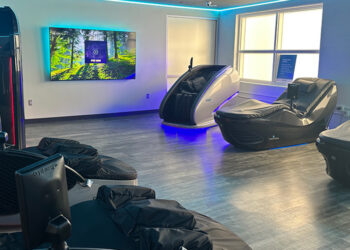
– Creating a virtual class studio that will provide members with 24/7 access.
YMCA of Greater Grand Rapids
The Mary Free Bed YMCA and Visser Family YMCA branches of the YMCA of Greater Grand Rapids also installed EGYM equipment, and like at the Newton YMCA, members have responded positively.
“After seeing the impact it’s had on members at Mary Free Bed since its installation, we knew it was a resource we wanted to extend to another one of our branch communities,” said Ben Green, the VP of operations at the YMCA of Greater Grand Rapids.
According to Jacob DeLosh, the health and wellness director at the Mary Free Bed YMCA, said many EGYM users at the Y are 55 years and older. What they’ve responded to the most is having a guided plan for their time on the wellness floor.
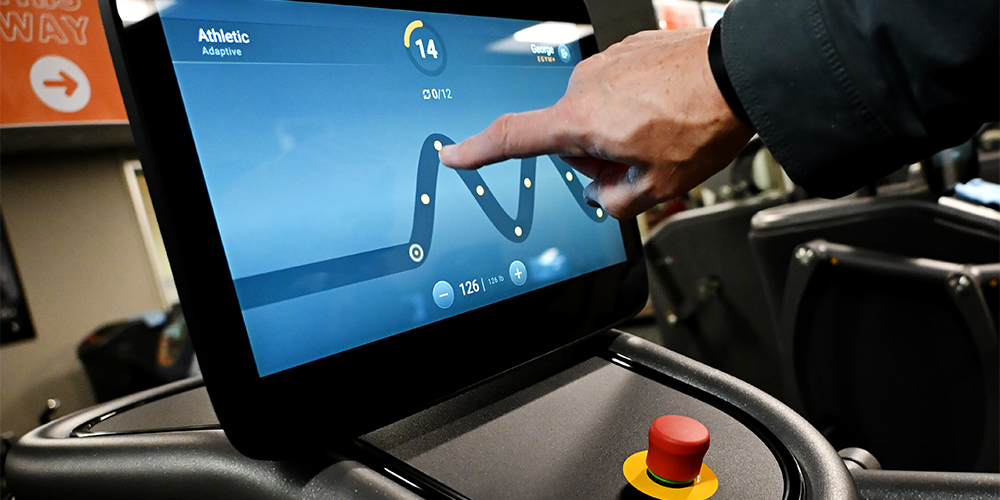
“The software is intuitive and each session moves you through a full-body circuit of machines, said DeLosh. One of the details members really respond to is the interactive display, where you’re guided on screen with a yellow curve that offers real-time feedback on your effort.”
Beyond EGYM, DeLosh said the Y’s InBody scale that gives members a full printout — body mass index, body fat percentage, muscle mass, water weight, basal metabolic rate and personalized recommendations.
“We also keep workout logs for members so they can track progress over time,” said DeLosh. “Between EGYM and the InBody data, members have tangible numbers to work from rather than just a general sense of progress.”
For other leaders, DeLosh recommend to have patience for both staff and fitness as it’s mainly new territory for almost everyone walking in, especially senior populations.
“It usually takes a few sessions before it clicks” said DeLosh. “Don’t assume you’ll ever be ‘done’ learning it. These systems get updated regularly and have more depth than you’ll uncover in the first few months.”
Final Advice
Pittman had tips for the industry as well when it comes to success with connected fitness. These final tips include:
1. Do your Homework
When considering launching any new fitness program gather and analyze as much feedback about the available products before engaging in a full-scale rollout. Choose what is right for your center and members.
2. Focus on Accessibility
Choose equipment that can incorporate various fitness levels and abilities, allowing everyone to participate in strength training.
3. Leverage Data Collection
Implement devices that collect data on member usage and progress. Examples include body composition scanners that sync with fitness equipment. This data can help tailor programs to meet member needs effectively.
4. Enhance Member Engagement
Encourage members to use connected fitness as part of a broader routine, not just as standalone programs.
5. Provide Continuous Support
Ensure the equipment and fitness staff offer clear instructions and guidance on exercises, duration, and weight, reducing barriers for new users and helping them feel more comfortable.
6. Foster Community and Consistency
Promote a culture of regular attendance by setting up challenges or rewards for members who check in frequently, helping them stay consistent in their fitness journeys.
7. Solicit Feedback
Regularly collect and analyze member feedback to understand their experiences and make improvements. Positive feedback can also help in marketing your offerings to attract new members.
8. Expand Offerings Over Time
As you see success with initial connected fitness options, consider expanding to include additional features, such as connected cardio equipment or a virtual class studio, to enhance the overall member experience.